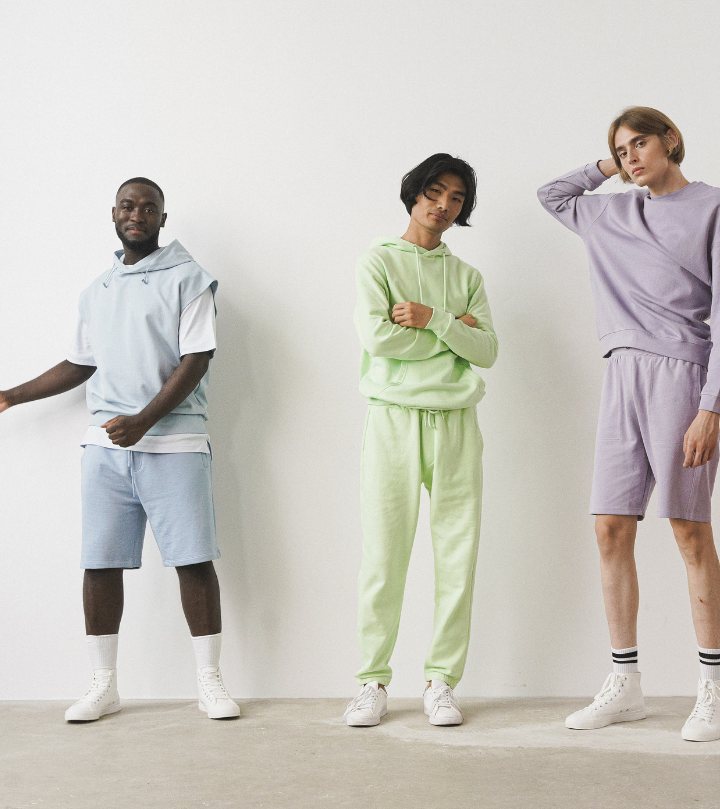
Color plays a subtle but powerful role in how we express ourselves through clothing, especially when it comes to shirts. Whether you’re dressing for work, a date, or a casual hangout, the color of your shirt often communicates more than you realize. Each hue can reflect your personality, influence others’ perceptions, and even affect your own mood.
Wearing a white shirt, for example, often signals cleanliness, simplicity, and reliability. It’s the go-to choice for those who value clarity and professionalism, making it a staple in formal and business settings. Blue, another popular color, tends to evoke trust, calmness, and stability. People who wear blue are often seen as dependable and confident, which is why it’s a favorite for job interviews and team meetings.
Black shirts, on the other hand, suggest sophistication, mystery, or even authority. Those who choose black are often seen as bold, stylish, and in control. It’s a color that conveys seriousness while maintaining a timeless appeal. Meanwhile, grey offers a more understated vibe—it reflects balance, neutrality, and maturity, often chosen by those who like to keep things low-key yet refined.
Brighter colors like red or yellow tend to be more expressive. Red can signal passion, energy, and assertiveness, and it’s often worn by individuals who are outgoing or want to make a statement. Yellow, being the color of happiness and optimism, suggests a cheerful and approachable personality, though it’s a color best worn with confidence. Green, associated with nature and growth, reflects a grounded and calm demeanor, while purple hints at creativity, individuality, and a taste for the unconventional.
Even muted earth tones—like olive, beige, or brown—can tell a story. These colors often point to a practical, down-to-earth character, someone who values comfort and subtlety over flash. Choosing patterned shirts or color combinations can show playfulness or creativity, reflecting a more adventurous approach to personal style.
Ultimately, your shirt color isn’t just a fashion choice; it’s a form of non-verbal communication. While it’s okay to dress based on mood or occasion, being mindful of the psychological cues behind colors can help you present yourself more intentionally—whether you’re aiming to blend in or stand out.